13 Aug 2026
Algorithm-Driven Bundling Transforms Accessory Coordination for Private Table Configurations
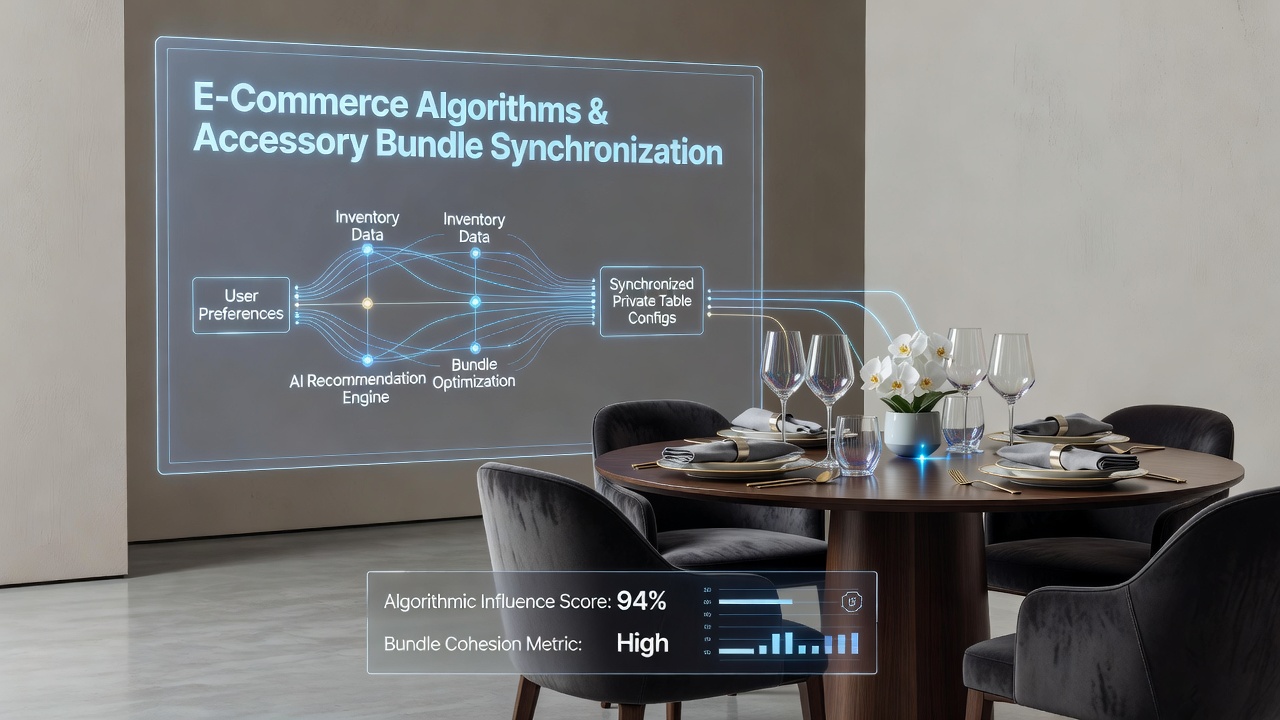 E-commerce platforms rely on machine learning models to analyze purchase histories, search patterns, and inventory data, which allows them to generate accessory bundles tailored to private table configurations. These systems process signals from user interactions such as clicks on roulette wheel specifications or poker chip materials, then match them with compatible items like felt layouts or dealer buttons. Data from retail analytics firms shows that such matching occurs in real time, with algorithms adjusting suggestions based on seasonal demand spikes observed in mid-2026. Recommendation engines often combine collaborative filtering with content-based approaches. Collaborative methods identify clusters of buyers who select similar table bases and then propose add-ons like matching chair sets, while content-based techniques evaluate product attributes including size compatibility and material durability. Observers note that this dual approach reduces cart abandonment rates because bundles arrive pre-coordinated for seamless assembly in home environments. Retailers have expanded these capabilities through dynamic pricing layers that factor in bundle discounts. When a customer views a blackjack table frame, the system cross-references current stock levels for coordinating casino-grade chips and automatically surfaces a discounted package. Figures from industry reports indicate bundle completion rates rose notably between 2025 and 2026 as these features matured.
Core Mechanisms Behind Bundle Synchronization
Inventory management algorithms track component availability across multiple suppliers, ensuring that suggested accessories align with physical specifications such as table diameter or wheel weight. When a private configuration includes a custom poker table, the system prioritizes felt colors and chip denominations that fit within standard rail dimensions. This synchronization prevents mismatches that historically led to returns.
Natural language processing also plays a role by scanning product descriptions and customer reviews for compatibility mentions. Phrases like "fits standard 8-foot tables" trigger inclusion in relevant bundles. Researchers at academic institutions have documented how these text signals improve recommendation precision by up to 30 percent compared with attribute-only models.Impact on Consumer Selection Patterns
Buyers encounter fewer standalone accessory searches because platforms surface complete kits early in the browsing process. One study revealed that users who receive algorithm-generated bundles complete purchases 25 percent faster than those navigating individual items. The effect appears strongest among those assembling multi-game setups combining roulette wheels with blackjack layouts.
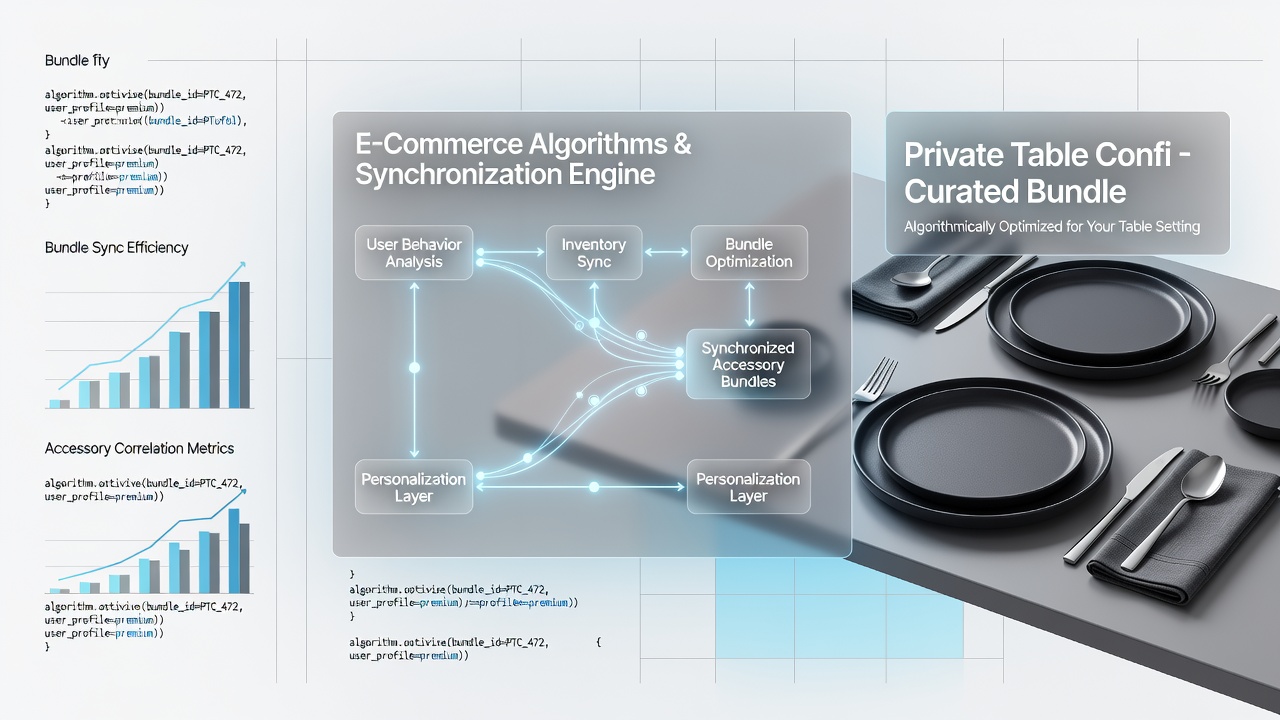 Data from August 2026 shows continued growth in private table accessory sales through digital channels, with bundle options accounting for a larger share of transactions. Platforms refine their models using A/B testing on homepage layouts, measuring which bundle presentations drive higher engagement. Those who've studied these systems note that visual grouping of compatible items outperforms text-only lists.
Supply Chain adn Data Integration Factors
Backend systems integrate supplier feeds with customer preference data to maintain bundle freshness. When new chip materials or wheel variants enter the market, algorithms evaluate their fit with existing table models and update recommendations accordingly. This process relies on structured data standards that allow seamless exchange between e-commerce platforms and manufacturers.
External sources such as Statistics Canada retail reports highlight rising e-commerce penetration in leisure goods categories, including table gaming accessories. Similar patterns appear in Australian Bureau of Statistics data on online leisure product sales. Both datasets underscore how algorithmic coordination supports efficient matching of components for end users.Future Developments in Personalization
Emerging techniques incorporate augmented reality previews that let buyers visualize bundled accessories on their specific table dimensions before purchase. Algorithms feed these previews with real-time compatibility checks, flagging any potential fit issues. Observers expect continued refinement as more granular user data becomes available through connected devices. Private configuration buyers benefit when platforms prioritize durability metrics alongside aesthetic matching. Systems now weigh factors such as chip weight consistency and wheel balance when forming bundles, drawing from aggregated performance data submitted by previous purchasers.
Conclusion
Algorithmic bundling continues to reshape how accessory sets reach consumers assembling private table configurations. By processing purchase signals, inventory data, and product attributes in unified models, platforms deliver coordinated options that align with both functional and stylistic requirements. Ongoing integration of new data streams promises further precision in matching components for home gaming environments.