23 Aug 2026
Algorithmic Bundling in Online Retail Platforms Aligns Slot Themes with Table Game Collections
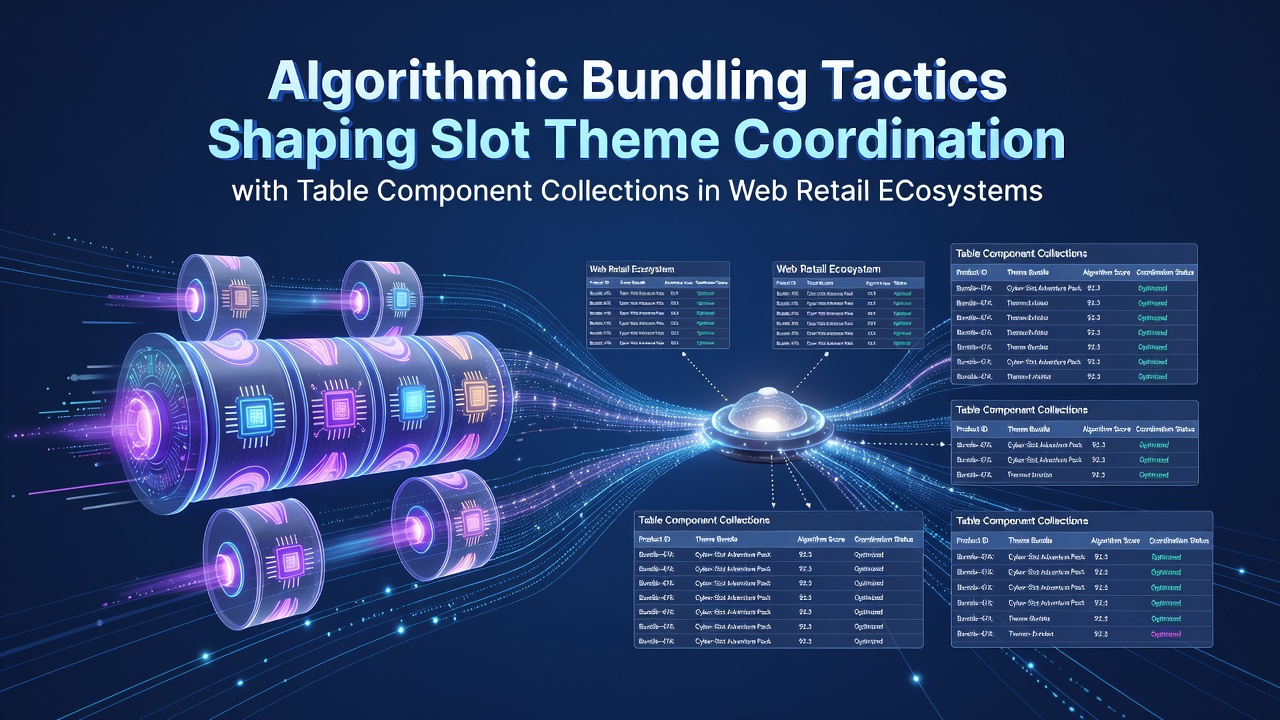
Web retail ecosystems have integrated algorithmic systems that bundle gaming merchandise, and these systems coordinate slot themes with table component collections through data-driven recommendations. Retail platforms track user browsing patterns, purchase histories, and search queries to generate product groupings that combine digital slot elements with physical table items such as chips, wheels, and mats. Data from e-commerce operations in 2025 shows increased adoption of these tactics across multiple regions, with platforms reporting higher average order values when bundles appear in search results.
Core Mechanisms Behind Bundling Algorithms
Retail algorithms analyze compatibility factors including color schemes, material types, and thematic consistency to pair slot game visuals with matching table accessories. For instance, a system might link a neon-themed slot interface to roulette wheels featuring similar lighting elements and poker chip sets in complementary hues. Researchers at academic institutions have documented how machine learning models process inventory data in real time, adjusting bundle suggestions based on stock levels and seasonal demand fluctuations observed during periods like August 2026.
Platforms employ collaborative filtering techniques that compare individual user sessions against aggregated datasets from thousands of prior interactions. This approach identifies patterns where buyers of specific slot merchandise later seek coordinated table components, prompting the system to surface combined offerings. Industry reports from the National Retail Federation indicate that such filtering contributes to measurable shifts in category sales volumes across North American digital marketplaces.
Coordination Examples in Practice
One documented case involves a European platform that matched Egyptian-themed slot graphics with blackjack table layouts and accessory kits featuring hieroglyphic designs. The bundle appeared in user feeds after initial slot searches, resulting in cross-category purchases tracked through platform analytics. Similar tactics appear in Australian online stores, where algorithms coordinate Western-themed slots with poker sets and chip collections that share rustic material finishes.
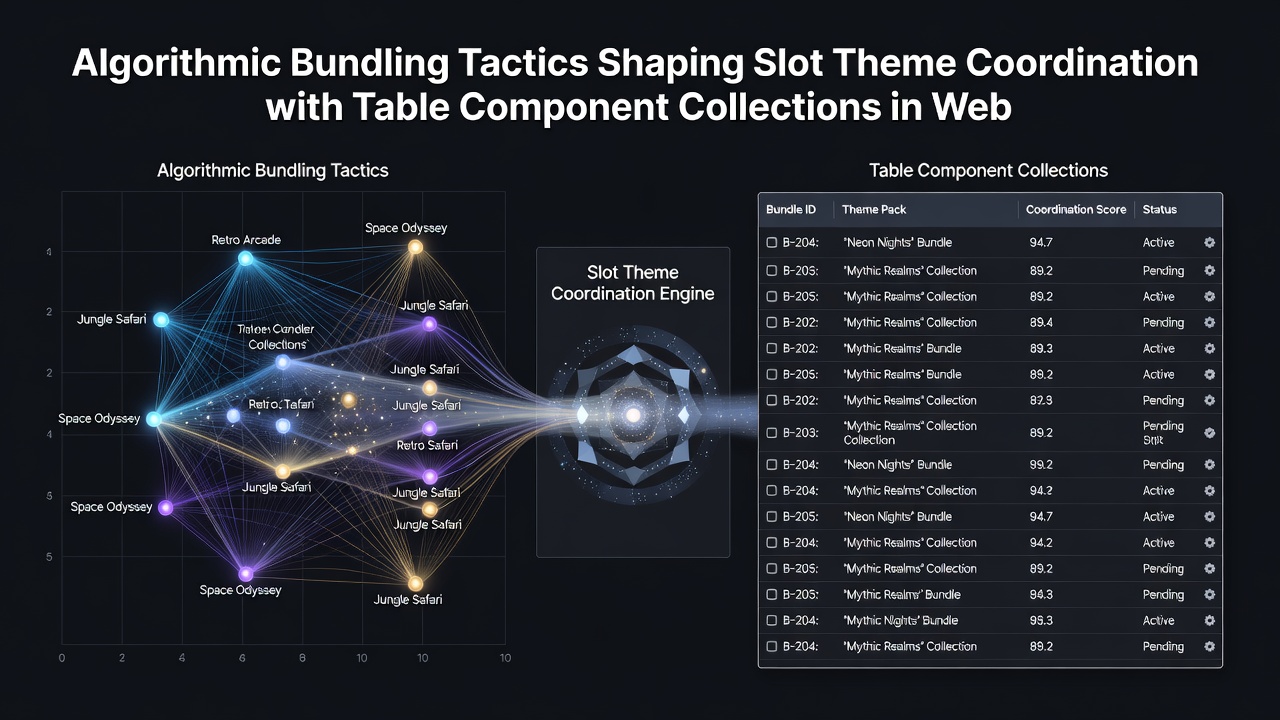
These systems also incorporate geographic variables, adjusting recommendations according to regional preferences documented in sales records. Platforms serving Canadian markets have shown preference for bundles that align winter-themed slot elements with durable table mats suited to colder climates, while U.S. retailers emphasize high-contrast color pairings that perform well in search metrics.
Data Patterns and Platform Adaptations
Figures from the U.S. Census Bureau on e-commerce activity reveal steady growth in the gaming merchandise segment through mid-2026, with bundling features cited as contributors to extended session times on retail sites. Algorithms update dynamically, incorporating feedback loops from click-through rates and cart abandonment data to refine future suggestions. Observers note that this iterative process allows platforms to respond quickly to emerging trends, such as new slot releases that require matching table collections.
Retailers have begun testing variations that include promotional pricing within bundles, where the combined cost undercuts individual purchases. European Commission reports on digital commerce highlight how these structures influence consumer navigation across product categories without requiring manual searches. The result appears in aggregated transaction logs that demonstrate repeated coordination between virtual theme elements and physical components.
Conclusion
Algorithmic bundling continues to shape coordination between slot themes and table component collections in web retail environments, driven by data processing and compatibility analysis. Platforms across regions apply these methods to surface relevant groupings that align visual and material elements, supported by ongoing updates from sales and interaction records. The approach remains embedded in broader e-commerce operations that track performance through established metrics.