16 Aug 2026
Algorithmic Deal Structures Reshaping Component Sourcing for Private Blackjack and Roulette Kits
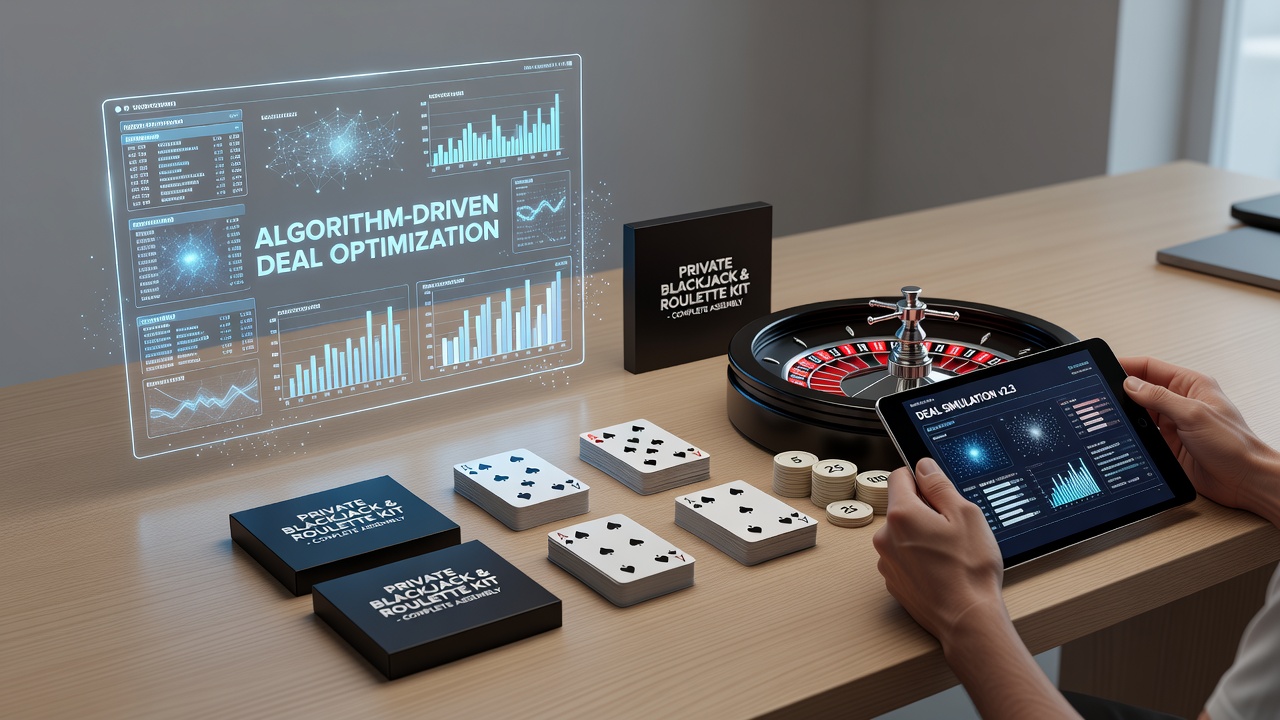
Algorithm-driven promotions now guide many consumers toward coordinated blackjack and roulette components through real-time pricing adjustments and personalized bundle suggestions that appear during online browsing sessions. These systems analyze past searches, cart additions, and regional availability to present complete kit options that pair felt layouts with wheel mechanisms and chip sets of compatible materials and dimensions. Data from e-commerce platforms shows increased conversion rates when such matched assemblies receive dynamic discounts that adjust based on inventory levels and user engagement patterns.
Core Mechanisms Behind Deal Generation
Recommendation engines rely on collaborative filtering techniques combined with inventory data to identify frequently purchased item clusters, so users exploring a standard blackjack table often receive prompts for matching roulette wheels and felt accessories within the same transaction flow. These prompts incorporate factors such as material compatibility, color coordination, and shipping timelines that algorithms calculate across multiple suppliers. In August 2026, retail analytics indicated a measurable uptick in bundled purchases during peak leisure planning periods when algorithm outputs highlighted coordinated sets over individual component selections.
Dynamic pricing layers further influence outcomes by lowering the combined cost of a full kit when users add items sequentially, creating an incentive structure that favors complete assemblies. Observers note that this approach reduces cart abandonment rates because the system flags potential mismatches in size or finish before checkout finalization. Retail logs reveal that buyers who encounter these prompts complete purchases at higher rates than those navigating unassisted selections.
Component Matching Patterns in Digital Retail Channels
Material compatibility algorithms cross-reference specifications for casino-grade felt, wheel bearings, and chip composites to prevent combinations that would create uneven wear or visual inconsistencies during home use. When a user selects a wooden blackjack table frame, the system may surface roulette wheels with matching wood accents and chip sets produced from the same resin blends. Such pairings draw from supplier databases that update nightly, ensuring suggestions reflect current stock and lead times from manufacturers across North America and Europe.
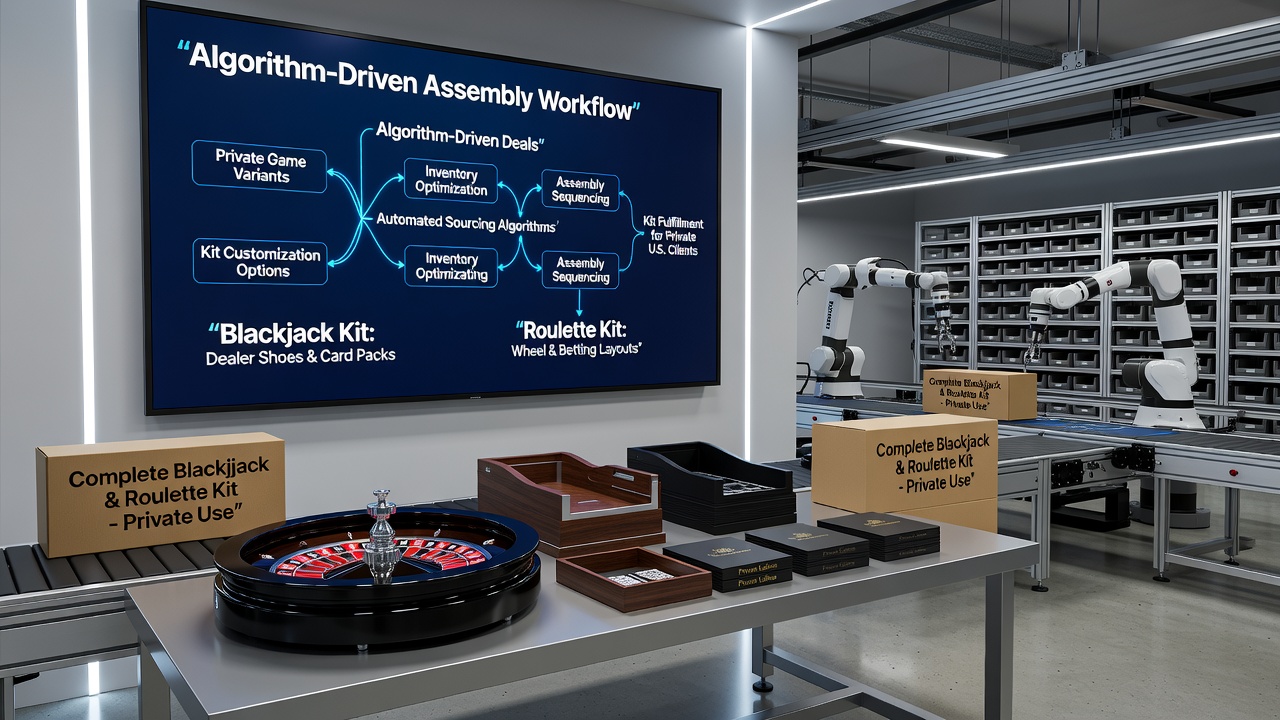
Geographic data integration allows algorithms to prioritize suppliers with faster delivery to specific regions, which becomes particularly relevant for heavier items like full-size tables. Canadian regulatory reports on gaming equipment imports highlight how synchronized sourcing through these channels has streamlined private procurement since 2024. Users receive notifications when an item in their preferred kit becomes available at a discounted rate due to overstock, prompting assembly completion within the same platform session.
Impact on Procurement Timelines and Supplier Coordination
Algorithm outputs frequently sequence component availability so that users can lock in pricing for an entire kit before individual pieces sell out separately. This sequencing draws on predictive models that forecast demand spikes around holidays and seasonal events. Suppliers report improved alignment between production runs and consumer demand signals generated by these platforms, resulting in fewer partial shipments for home gaming setups.
Industry analyses from the Alcohol and Gaming Commission of Ontario document how private operators in that province increasingly rely on these digital pathways to source matched equipment without direct manufacturer negotiations. The same systems flag regulatory compliance details, such as chip weight standards, within the recommendation flow so buyers can verify suitability before finalizing orders.
Future Adjustments in Algorithmic Influence
Updates to machine learning models continue to incorporate user feedback on kit performance after delivery, refining future suggestions toward components that demonstrate greater durability in residential settings. Academic studies on e-commerce personalization, including work from Monash University researchers, track how these feedback loops alter supplier priorities over successive quarters. As a result, the range of pre-matched blackjack and roulette kits expands to include more specialized finishes and sizes suited to varied room dimensions.
Conclusion
Algorithm-driven deal structures have established clear pathways for assembling complete blackjack and roulette kits by linking component recommendations to real-time inventory, material data, and user behavior signals. These processes operate through established retail platforms that update suggestions continuously, allowing private users to obtain coordinated sets without separate sourcing efforts. Continued refinement of the underlying models sustains alignment between available products and the specific requirements of home gaming configurations.