E-Commerce Platforms Reshaping Matched Poker Table and Gaming Furniture Acquisitions for Residential Leisure Areas
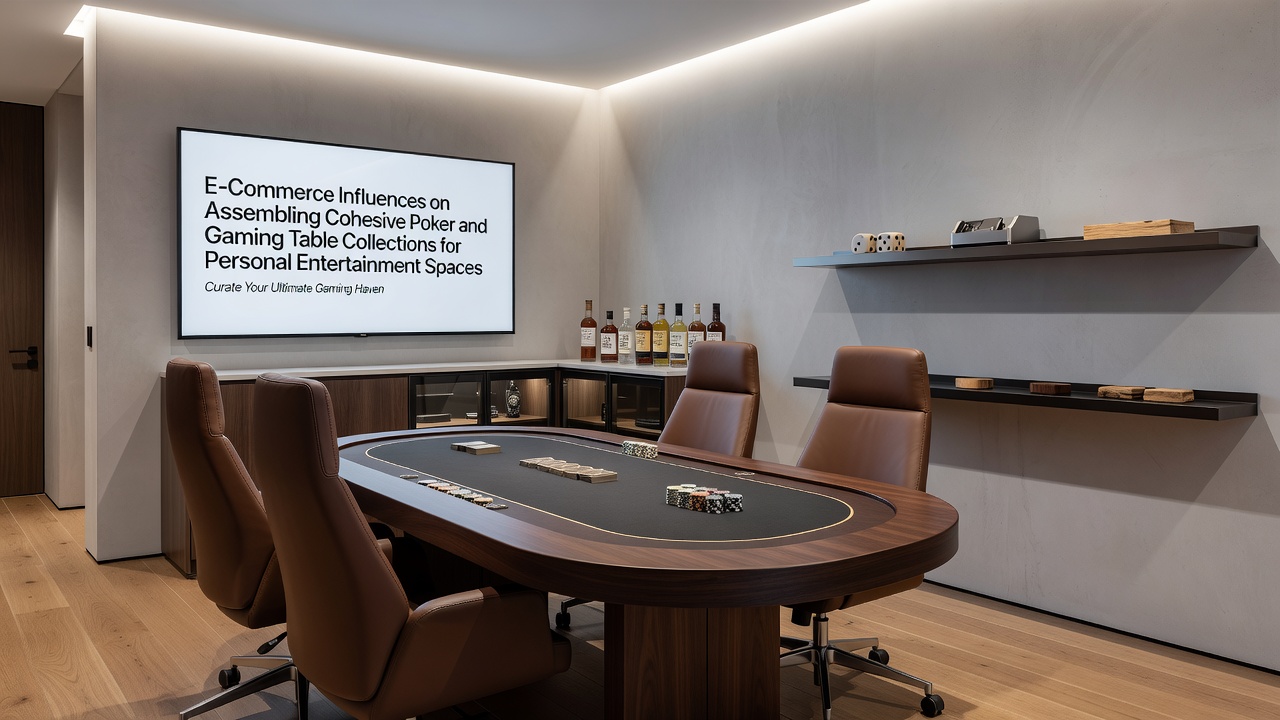
Digital retail channels have expanded access to coordinated components that form complete poker and gaming table collections suited for private spaces, with platforms offering integrated search tools and recommendation engines that connect tables, chairs, felt surfaces, and accessory sets from multiple vendors. Sales data from major online marketplaces indicate steady growth in bundled purchases through June 2026, driven by filter options that prioritize color matching, material compatibility, and size proportions across product lines.
Platform Features Supporting Collection Assembly
Search algorithms on leading e-commerce sites now incorporate parameters for theme consistency, allowing users to select base tables and then receive suggestions for matching roulette wheels or blackjack layouts without manual cross-referencing of specifications. These systems draw from inventory databases that track finish types, edge styles, and hardware details, reducing mismatches that once required multiple returns. Observers note that checkout processes often include virtual preview tools where buyers can view assembled configurations in simulated room environments before finalizing orders.
Third-party sellers contribute specialized items such as custom cup holders or dealer buttons that align with standard table dimensions, while automated compatibility checks flag potential issues like weight distribution or leg height variations. Research from retail analytics firms shows that sites employing these features report higher average order values for gaming furniture categories compared to those without matching utilities.
Supply Chain and Inventory Trends Through Mid-2026
Manufacturers have adjusted production schedules to align with online demand patterns, producing modular pieces that ship in stages yet maintain visual and functional harmony once assembled. Data compiled by industry monitoring groups reveal that shipments of pre-coordinated sets increased notably during the first half of 2026, coinciding with expanded warehouse networks that shorten delivery times for larger items like full-size poker tables. This shift allows buyers to complete collections over several weeks without facing stock shortages on secondary components.
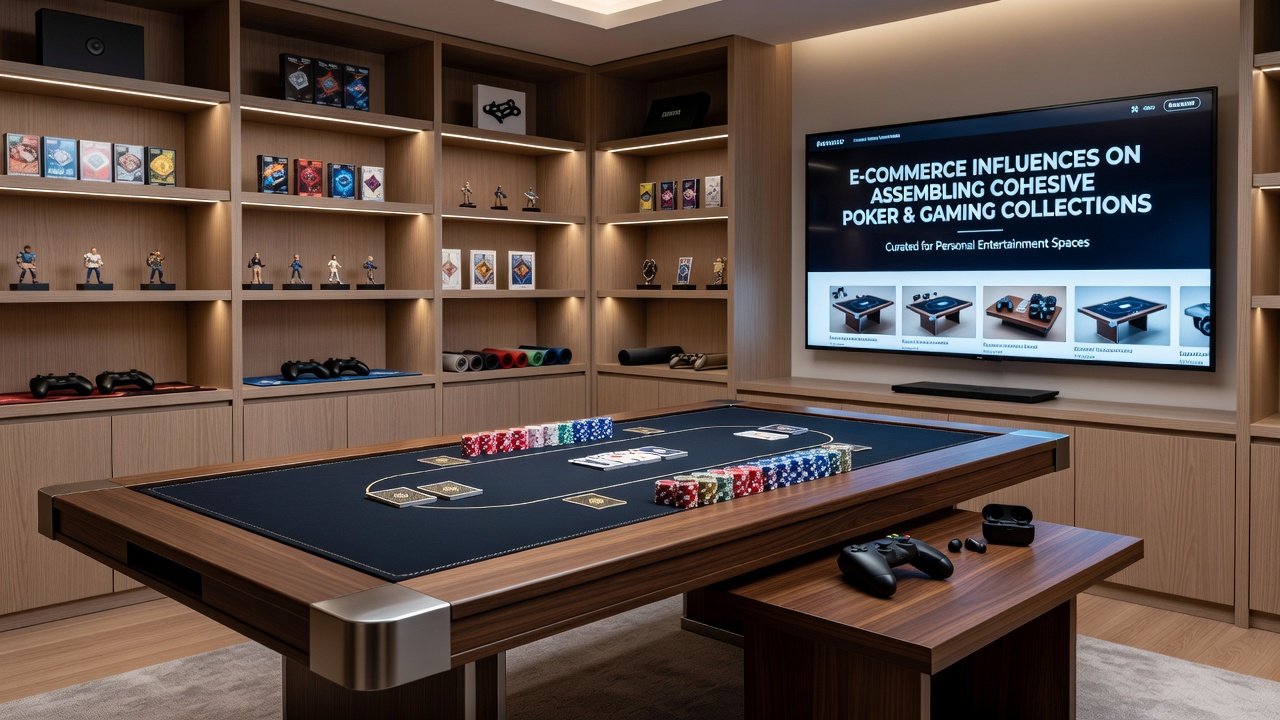
Global logistics providers have introduced tracking integrations that update customers on synchronized arrivals of multiple packages, minimizing the coordination burden that previously discouraged larger home setups. In regions with strong e-commerce penetration, such as North America and parts of Europe, fulfillment centers stock complementary items in adjacent bins to streamline picking processes for these orders.
Consumer Behavior Patterns and Digital Tools
Analytics from e-commerce platforms indicate that buyers frequently begin with a central table purchase and then expand outward using saved search lists or wish lists that persist across sessions. These tools preserve details like fabric types and color codes, enabling gradual additions that maintain cohesion even when purchases occur months apart. Educational content embedded on product pages, including specification comparison charts and assembly guides, further supports informed decisions without requiring external research.
Payment options such as installment plans have facilitated acquisitions of higher-end collections, with financing partners reporting increased uptake for gaming furniture bundles. Market reports from sources like the U.S. Census Bureau highlight rising e-commerce shares within the broader furniture and home furnishings sector, a trend that encompasses specialized gaming items as well. U.S. Census Bureau retail data provides context on these category expansions through periodic releases.
Material and Design Coordination via Online Marketplaces
Product listings now emphasize standardized metrics for surfaces, such as felt thickness and rail padding density, which help ensure that added accessories integrate smoothly with primary tables. Sellers provide detailed material breakdowns that allow comparison across brands, reducing reliance on physical showrooms for verification. In June 2026, several platforms introduced augmented reality overlays that project scaled models into actual room footage captured by user devices, offering another layer of pre-purchase validation for spatial fit and visual balance.
Trade associations focused on home recreation equipment have documented how these digital enhancements lower barriers for first-time collectors seeking unified appearances. One study from an academic research group at a Canadian university examined ordering patterns and found correlations between advanced filtering use and completed sets that required fewer adjustments post-delivery. Statistics Canada reports on household spending categories offer supplementary regional insights into leisure product trends.
Conclusion
E-commerce infrastructure continues to influence how individuals source and combine poker tables with supporting gaming elements for personal spaces, through improved discovery tools, synchronized logistics, and data-backed recommendations. These developments have expanded options for creating functional, visually consistent collections while adapting to individual timelines and budgets. Ongoing platform refinements suggest further integration of design simulation and inventory alignment in the periods ahead.