20 Aug 2026
Emerging Material Technologies Improving Integration of Home Gaming Components Purchased Through Digital Platforms

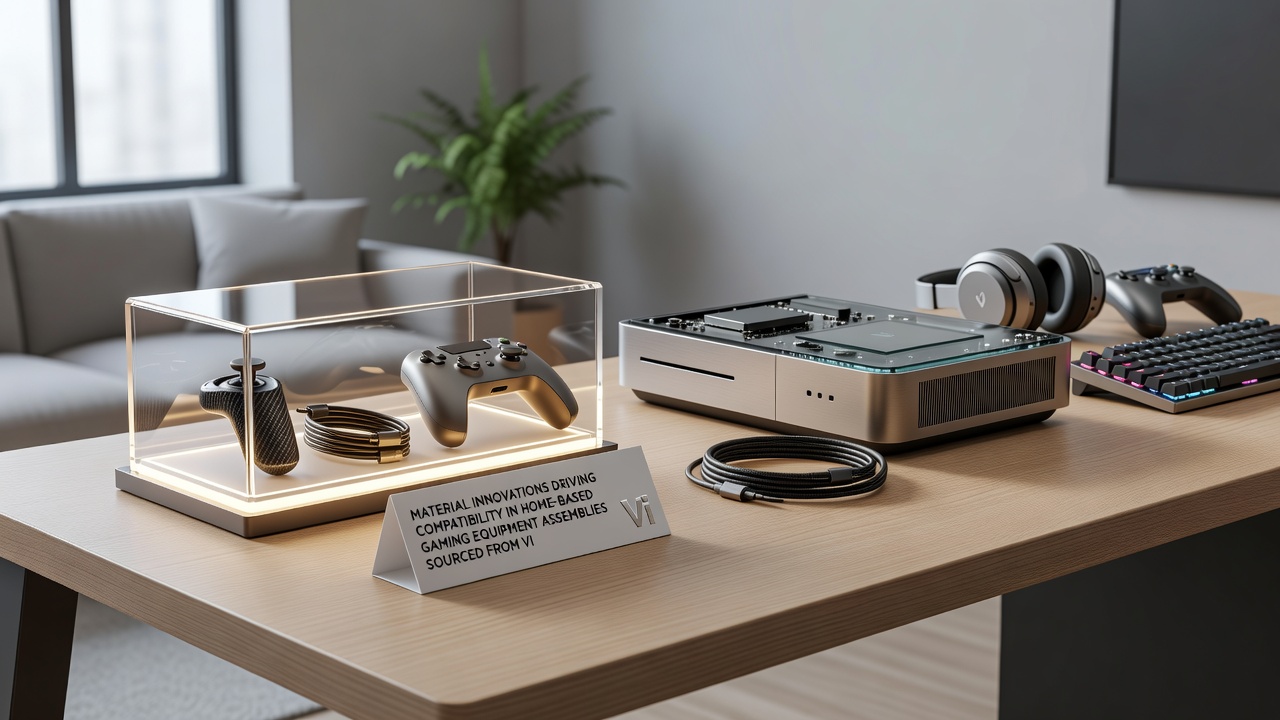
Material innovations continue to reshape how home-based gaming equipment assemblies maintain compatibility when sourced from virtual vendors, and data from industry reports show rising adoption of advanced polymers and composites in these products. Manufacturers now apply precision engineering to create components that align across tables, wheels, and accessories even when buyers select items separately through online channels. Research indicates that such developments reduce mismatches in dimensions, surface textures, and durability factors that once limited seamless integration in private setups.
Key Polymers and Composites in Modern Assemblies
Thermoplastic elastomers combined with reinforced resins form the basis for many casino-style chips and edging materials that vendors promote for home use, while studies from materials science groups highlight their resistance to warping under repeated handling. These compounds allow chips to sit flush within felt inlays on gaming tables without requiring custom adjustments after delivery. Observers note that virtual retailers increasingly list product specifications detailing thermal expansion rates and friction coefficients, which helps buyers verify compatibility before purchase. In August 2026 market updates revealed expanded use of bio-based composites that maintain structural integrity across temperature variations common in residential environments.
Compatibility Factors for Roulette Wheels and Table Surfaces
Precision-machined aluminum alloys paired with low-friction coatings now appear in roulette wheel assemblies sold online, and evidence from engineering analyses shows these materials reduce vibration transfer to adjacent table surfaces. Such pairings support consistent ball trajectories when users combine wheels with custom felt layouts sourced from the same or different digital suppliers. Experts have observed that standardized mounting hardware using corrosion-resistant stainless steel variants further enhances assembly stability without specialized tools. Data indicates that suppliers provide modular adapter kits to bridge minor tolerance differences between wheel bases and table cutouts, which streamlines setup processes for home users.
Digital Sourcing Trends and Material Verification
Virtual vendors employ detailed material databases that allow cross-referencing of component properties, and figures from supply chain analyses reveal growth in API-driven platforms that flag potential incompatibilities during checkout. Researchers discovered that adoption of these tools correlates with fewer returns related to fit issues in home gaming kits. Those who study procurement patterns note increased availability of certified material grades meeting international standards for hardness and colorfastness, which supports coordinated aesthetics across blackjack layouts and accessory sets. But here's the thing: buyers still benefit from reviewing third-party test reports that virtual stores sometimes embed in product pages.
Canadian standards organizations have contributed guidelines on polymer compatibility for recreational equipment, while Australian research institutions publish findings on composite durability in high-use scenarios. These resources help virtual vendors refine their offerings to meet buyer expectations for integrated assemblies.
Case Examples of Integrated Home Configurations
One documented instance involved a user assembling a modular poker table with acrylic chip trays and felt surfaces acquired separately, where material innovations in UV-stabilized coatings prevented fading discrepancies over time. Another example showed how resin-based edging strips aligned precisely with wheel perimeters because vendors standardized groove depths during production. Such outcomes demonstrate how shared material specifications across digital catalogs promote reliable results without on-site modifications.
Conclusion
Material advancements in polymers, alloys, and composites continue to drive better compatibility for home gaming equipment obtained through virtual channels, as verified by ongoing industry data and research contributions from multiple regions. These developments enable more reliable assemblies that maintain performance and appearance across varied residential conditions.