Matching Poker Accessories to Gaming Tables for Optimized Tournament Flow in Private Settings
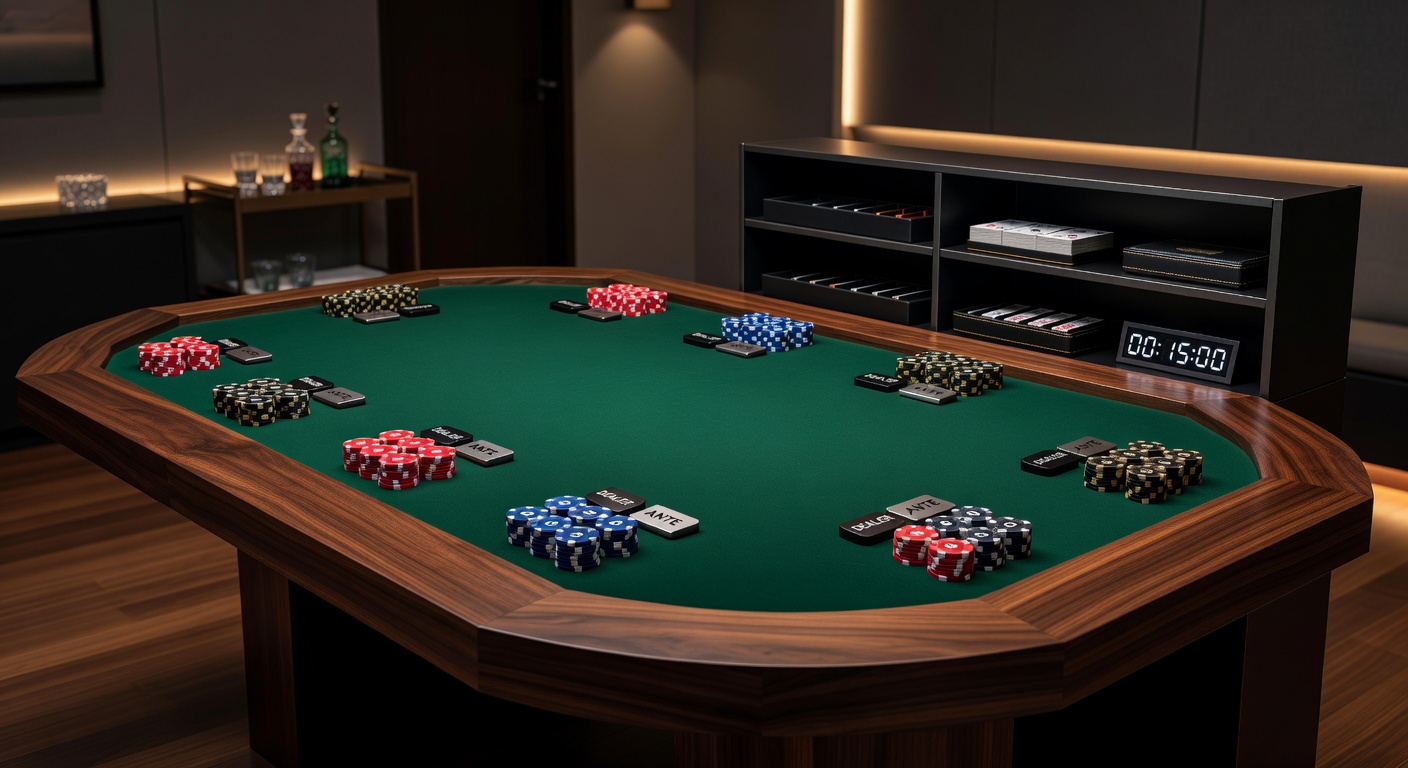
Private poker tournaments rely on precise coordination between gaming tables and supporting accessories to maintain steady play across multiple hands and rounds. Observers note that tables designed with standard felt surfaces and built-in cup holders pair effectively with chip trays sized to match the table's rail dimensions, which reduces interruptions during chip exchanges. Data from industry equipment suppliers indicates that mismatched components often extend setup times by up to 15 minutes per table before cards are even dealt.
Table Dimensions and Accessory Compatibility Standards
Standard poker tables measure between 8 and 10 feet in length for private events, with oval or rectangular shapes accommodating 8 to 10 players comfortably. Accessories such as modular chip racks fit these dimensions when manufacturers align tray widths to the table's perimeter rails, allowing dealers to slide stacks without lifting them above the playing surface. Research from equipment testing labs shows that racks with interlocking bases prevent tipping when players add or remove chips during betting rounds.
Dealers buttons and card shoes integrate through designated cutouts or magnetic mounts on many modern tables, which streamlines transitions between hands. Those who organize private tournaments report that tables featuring felt with embedded alignment marks help position these items consistently, cutting down on repeated adjustments that otherwise accumulate across long sessions.
Chip Sets, Card Management, and Flow Efficiency
Custom chip sets selected to match table capacity typically include 300 to 500 pieces per table for tournaments with 20 to 40 participants. When chip denominations align with table markings for betting limits, dealers complete payouts faster because players recognize stack values at a glance. Studies on home gaming setups reveal that coordinated color schemes between chips and table felt reduce visual errors during multi-table events.
Automatic card shufflers mounted at table ends connect directly to power sources routed through table legs in many designs, eliminating separate extension cords that create tripping hazards. Card holders sized for standard decks sit flush against the rail when dimensions match, keeping discard piles organized and preventing cards from sliding onto the floor during active play.
Timers, Seating Charts, and Tournament Logistics
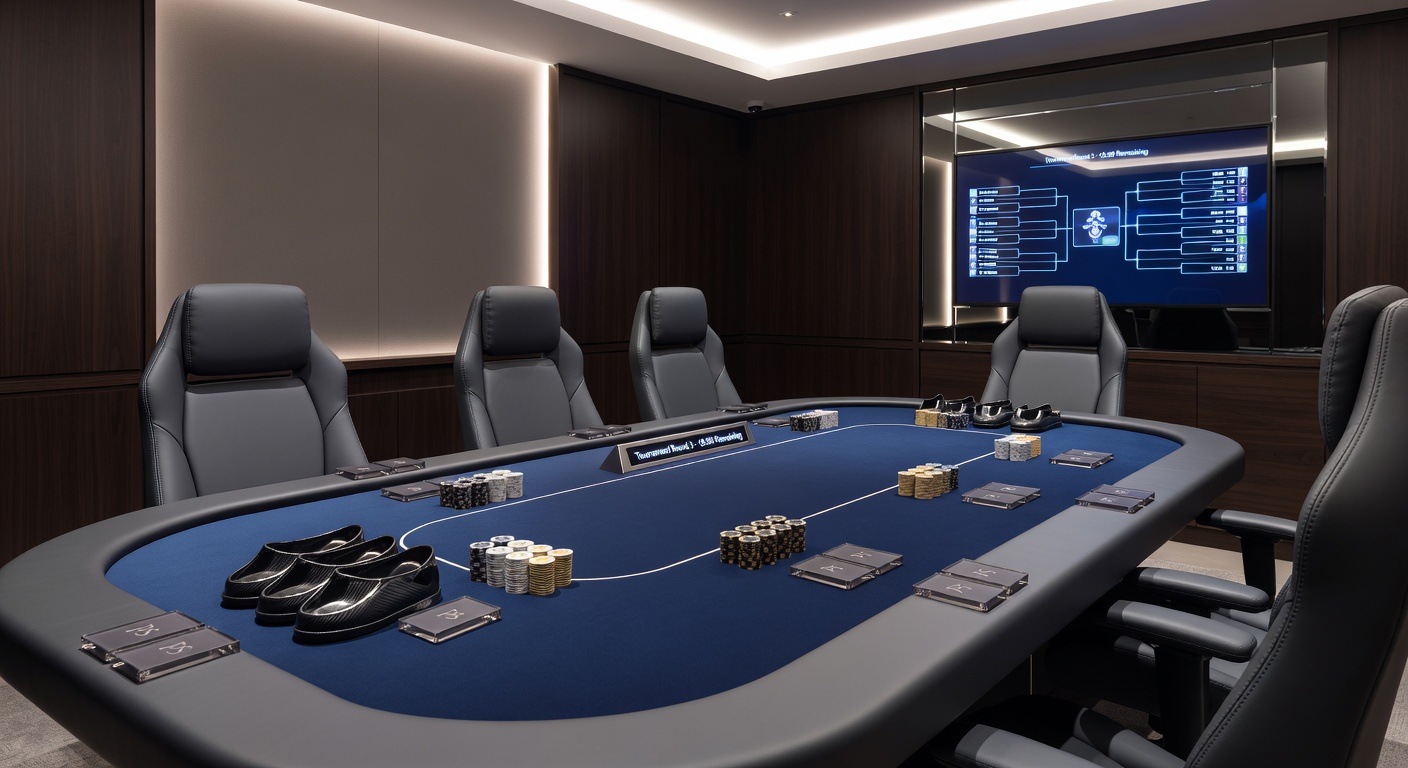
Digital timers synced with table accessories display blind levels and break schedules, while mounting brackets secure these devices to table edges without obstructing player movement. Observers note that tables with pre-drilled ports for timer stands allow quick repositioning when players rotate between tables, maintaining consistent pacing throughout the event. According to reports from the American Gaming Association, structured timing systems in organized play correlate with higher completion rates for scheduled rounds.
Seating charts printed on laminated cards that fit into table-side holders provide players with immediate position references, which minimizes confusion at the start of each new table assignment. Accessories like these integrate with software applications used for random seat draws, producing printed outputs that match the physical layout exactly.
Material Durability and Long-Term Setup Considerations
Tables constructed with vinyl or felt surfaces benefit from chip sets made of clay composites or plastic composites that resist scratching the playing area during repeated handling. Research indicates that coordinated materials extend the lifespan of both tables and accessories when users select items from the same production lines. Private event coordinators often maintain inventory lists that cross-reference table models with accessory SKUs to ensure replacements arrive pre-matched.
Power management strips built into table frames support multiple accessories simultaneously, including shufflers and timers, without overloading individual outlets. Data shows that setups with unified power routing experience fewer delays from equipment failures during extended tournaments.
Conclusion
Effective matching of poker accessories to gaming tables creates measurable improvements in tournament pacing for private settings through reduced handling times and fewer logistical interruptions. Equipment compatibility across dimensions, materials, and mounting systems supports continuous play from initial registration through final table consolidation. Those coordinating such events benefit from reviewing supplier specifications in advance to confirm all components align before participants arrive.