Navigating Material Sourcing Trends for Integrated Home Leisure Kits via Expanding Digital Retail Channels
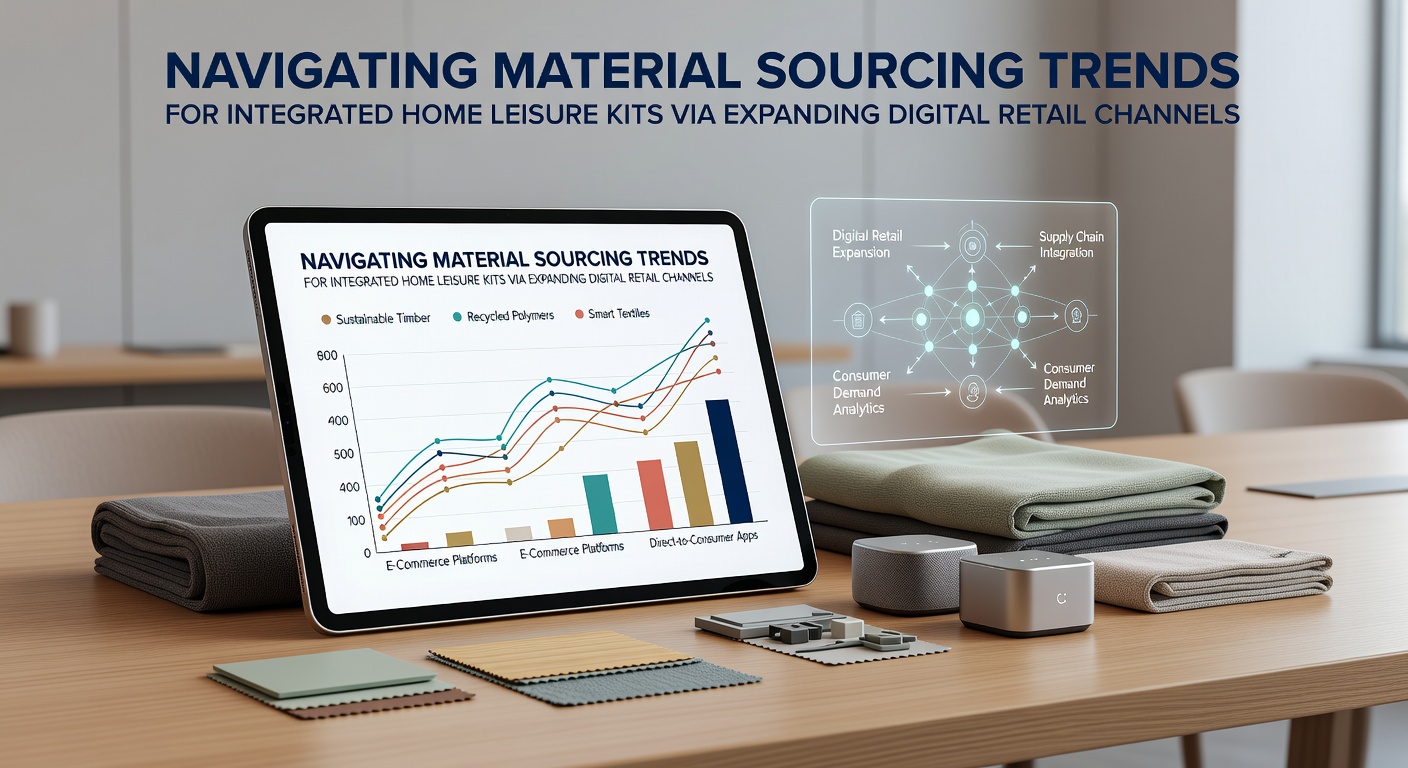
Integrated home leisure kits combine multiple components such as modular seating, lighting systems, and storage units into single packages designed for residential relaxation spaces, and material sourcing for these products has shifted toward suppliers who meet digital platform requirements for traceability and volume consistency. Retail data from the US Census Bureau shows that e-commerce channels for home goods grew by 12 percent in the first half of 2026, with leisure kit categories contributing notably to that expansion through direct manufacturer-to-consumer models.
Manufacturers now prioritize materials that align with automated inventory systems used by major online marketplaces, which means selecting suppliers capable of providing real-time stock updates on items like engineered wood composites and recycled polymer frames. Those who've studied supply chain logistics note that digital retail platforms enforce standardized material certifications, prompting producers to adopt blockchain tracking for bamboo laminates and aluminum alloys sourced from certified mills in Southeast Asia and North America.
Shifts in Raw Material Procurement
Procurement teams focus on diversified sourcing networks because single-region dependencies create bottlenecks when shipping delays occur through Pacific routes. Data from the European Commission’s 2025 industrial materials report indicates that 68 percent of leisure product importers incorporated at least two additional supplier regions by early 2026, favoring South American cork producers alongside established European textile mills for cushion covers and acoustic panels.
Integrated kits require coordinated batches of interlocking parts, so digital platforms have introduced vendor scoring algorithms that reward consistent delivery of low-emission steel tubing and water-based finishes. Observers note that companies using these platforms reduced material rejection rates by 22 percent compared with traditional wholesale channels, since automated quality checks flag inconsistencies before products reach fulfillment centers.
Digital Platform Influence on Supplier Selection
Online marketplaces expanded their supplier onboarding processes in June 2026 to include mandatory sustainability disclosures, which directly affects how leisure kit producers select raw inputs. Platforms now require documentation of origin for each component, from LED modules to fabric weaves, and this documentation travels with the product through every stage of digital order fulfillment.
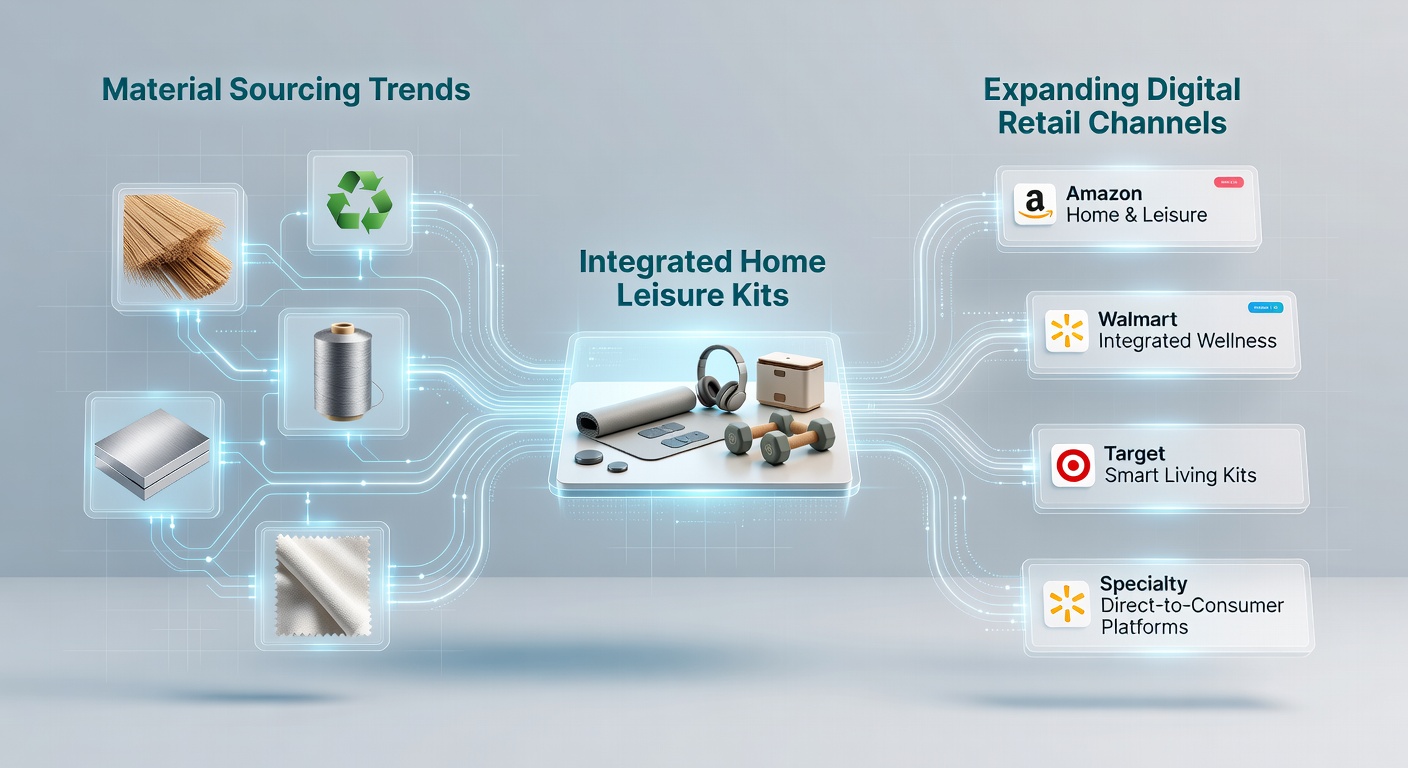
Retail analytics tools integrated into these channels allow manufacturers to monitor demand spikes for specific material combinations, such as matte-finish composites paired with modular connectors, enabling just-in-time adjustments at the sourcing level. Research from the University of British Columbia’s supply chain analytics group demonstrates that predictive modeling tied to platform data reduced excess inventory of leisure kit materials by an average of 31 percent across participating firms in the first quarter of 2026.
Regional Sourcing Patterns and Logistics
North American producers increasingly source fabric components from Mexican textile clusters while routing structural elements through Canadian mills that maintain ISO-certified environmental management systems. Australian regulatory filings reveal parallel growth in domestic sourcing of plantation timber for kit frames, driven by shorter shipping distances that align with carbon accounting requirements posted on digital retail dashboards.
Logistics partners have adapted by offering consolidated shipping options that combine multiple material types into single container loads destined for regional distribution hubs, and this approach supports the rapid restocking cycles demanded by high-volume online sellers. Those monitoring trade flows report that average lead times for leisure kit materials dropped from 45 days to 32 days between January and June 2026 as these consolidated routes gained adoption.
Certification and Compliance Requirements
Digital retail channels enforce third-party verification for restricted substances in finishes and adhesives, which compels sourcing teams to audit every new supplier against lists maintained by the International Organization for Standardization. Compliance documentation now travels electronically alongside purchase orders, allowing platforms to automatically flag any material lot that lacks current certification before it enters the assembly workflow.
Producers who integrated these verification steps early reported smoother customs clearance for cross-border shipments, particularly when moving polymer resins and metal fasteners between North American and European facilities. Government trade statistics from Canada’s statistical agency confirm that certified leisure product components cleared border inspections 18 percent faster than non-certified equivalents during the spring of 2026.
Conclusion
Material sourcing for integrated home leisure kits continues to evolve alongside the expansion of digital retail infrastructure, with traceability systems, diversified supplier bases, and automated compliance checks forming the core operational framework. Retail volume data and regulatory filings from multiple jurisdictions indicate sustained adoption of these practices through the middle of 2026, supporting consistent product availability across major online channels.