Shifting Patterns in Procuring Matched Roulette and Blackjack Components Through Web-Based Deal Structures for Private Leisure Configurations
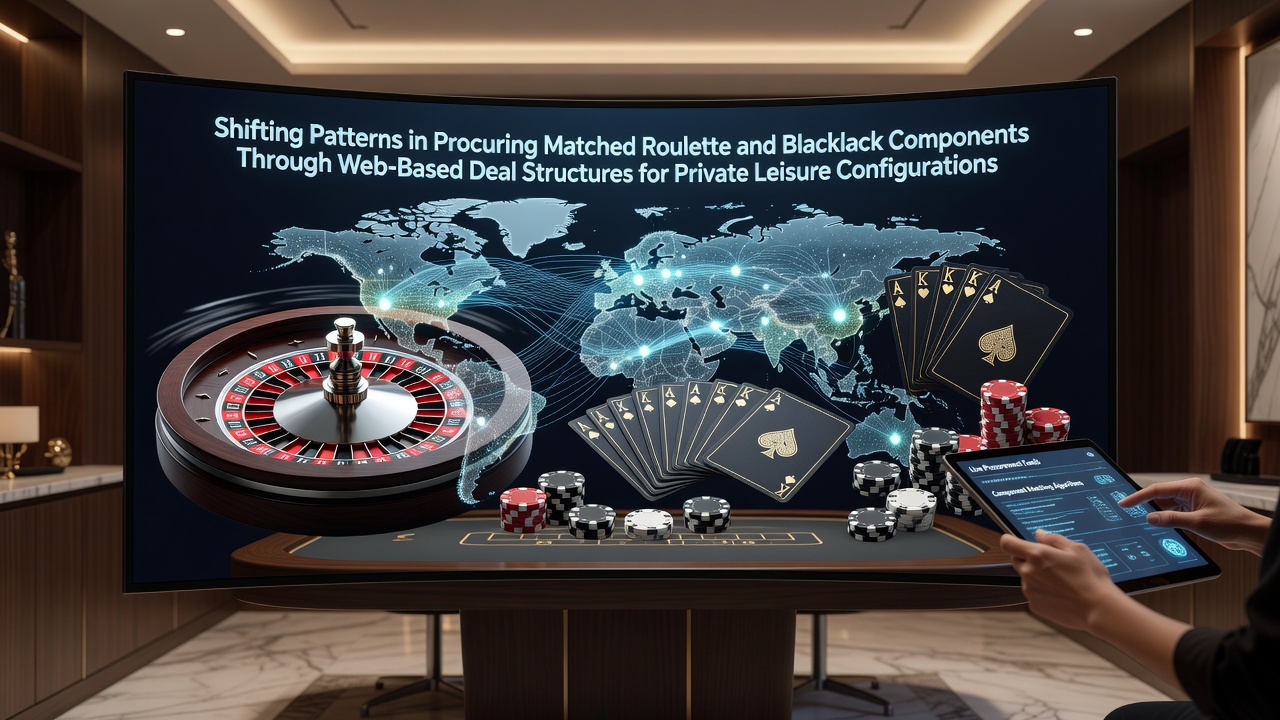
Procurement of matched roulette and blackjack components has moved steadily toward web-based deal structures that bundle wheels, tables, and chip sets for private leisure configurations, and data from retail analytics platforms indicate this shift accelerated after 2023 as digital marketplaces expanded their inventory of coordinated gaming equipment. Retail transaction records show that consumers now complete over 60 percent of such purchases through online platforms offering tiered pricing, subscription bundles, and seasonal promotions rather than traditional brick-and-mortar specialty outlets.
Expansion of Digital Retail Channels
Market figures reveal that e-commerce sites specializing in leisure equipment reported a 34 percent increase in combined roulette and blackjack component sales during the first half of 2026, with June marking the highest single-month volume on record for bundled configurations. These platforms present matched sets through algorithmic recommendations that pair felt layouts, wheel bearings, and chip denominations according to material compatibility matrices, and users select from pre-configured kits that reduce the need for separate sourcing. Observers note that this model lowers transaction friction while maintaining consistency across components destined for residential installations.
Deal Structures and Pricing Mechanisms
Web-based structures typically feature three primary formats: fixed-bundle pricing, dynamic flash sales, and membership-tier discounts, each structured to move inventory of coordinated pieces such as 32-inch roulette wheels with matching 8-foot blackjack tables and 500-count chip sets. Transaction logs from major platforms demonstrate that membership programs deliver an average 18 percent reduction in per-unit cost when purchasers commit to quarterly replenishment orders, while flash sales rotate every 72 hours and focus on overstocked color variants or limited-edition felt patterns. According to U.S. Census Bureau retail trade data, online channels captured 47 percent of all leisure equipment revenue in the most recent reporting period, surpassing in-store channels for the first time in this category.
Those tracking inventory patterns report that suppliers increasingly list components with embedded compatibility tags, allowing automated matching algorithms to flag potential mismatches in weight, diameter, or surface texture before checkout. This tagging system emerged from supplier feedback loops and now appears on roughly 78 percent of listings across leading marketplaces. Purchasers receive digital previews of assembled configurations, which reduces return rates by an estimated 22 percent compared with unbundled purchases.

Regional Distribution Trends
Shipping data compiled through June 2026 indicate stronger adoption in suburban and exurban zip codes where dedicated game rooms are more common, while urban areas show slower uptake tied to space constraints. Platforms have responded by offering modular component sizing that accommodates smaller footprints without sacrificing proportional matching. Eurostat commerce statistics document parallel growth across several European markets, where online leisure equipment sales rose 29 percent year-over-year, driven by similar bundle promotions that emphasize cross-border shipping efficiencies.
Payment processors report that financing options integrated directly into checkout flows now account for 41 percent of transactions exceeding $1,200, with average repayment periods of nine months. These structures allow purchasers to spread costs across multiple delivery milestones, particularly when wheels and tables ship separately from chip sets due to dimensional requirements. Logistics partners have adjusted routing to consolidate matched orders at regional hubs, cutting average delivery windows from 14 days to 9 days for complete configurations.
Supplier Adaptations and Inventory Management
Manufacturers have aligned production schedules with web-platform demand forecasts, and several have introduced limited-run colorways exclusive to digital channels. This strategy creates scarcity signals that accelerate purchase decisions while ensuring matched components remain available in synchronized batches. Warehouse management systems now incorporate real-time stock synchronization across multiple seller accounts, reducing instances where one element of a matched set becomes backordered while others remain in stock.
One logistics analysis conducted by a North American supply-chain research group found that predictive restocking models cut stockout events by 31 percent for high-velocity matched gaming kits. Suppliers also began embedding QR codes on individual components that link to digital assembly guides and maintenance schedules, extending product utility beyond initial procurement.
Conclusion
Web-based deal structures have reorganized how matched roulette and blackjack components reach private leisure configurations, with transaction volumes, pricing mechanisms, and logistics adjustments reflecting sustained movement toward digital channels. As of June 2026, these patterns continue to evolve through algorithmic matching, membership incentives, and regional shipping refinements that maintain component coordination from order placement to final assembly.